What would you do if someone unexpectedly placed a sparkling diamond in your palm? Would you stare at it in disbelief, rush to get it appraised, or wonder whether keeping it might bring more trouble than joy? The first time I held a loose diamond was during a jewellery workshop in Hatton Garden, London’s historic diamond district. I remember the jeweller, Michael Grant—a man with forty years of experience—leaning over and saying, “Most people think a diamond is just a gem. It’s a responsibility.” That sentence stayed with me.
A diamond isn’t merely a shiny stone. It carries emotional weight, financial implications, ethical questions, and even legal responsibilities. Whether you receive one from a partner, inherit it from family, or find yourself in an unexpected situation—knowing what to do next matters.
This article blends real expert guidance, personal reflections, and well-researched insights to help you navigate that moment with clarity and confidence.
Why This Question Matters More Than It Sounds
People romanticise diamonds, often imagining proposals or heirlooms. But the reality is more complex. Diamonds are high-value assets. According to the Gemological Institute of America (GIA), even a modest 1-carat natural diamond can range anywhere from £3,000 to over £25,000 depending on quality. That is not the kind of gift you treat casually.
Moreover, receiving such a gem often leads to mixed emotions—excitement, suspicion, gratitude, confusion. What you decide to do next reflects not just financial literacy, but emotional intelligence, ethics, and even cultural expectations.
The Immediate Emotional Reaction: Why It Feels Overwhelming
I remember asking a London-based psychologist, Dr. Emily Carter, about why people freeze when receiving an expensive gift. Her response shed light on the psychology behind this moment:
“A diamond represents value, commitment, and social meaning. The brain interprets it not just as a gift but as a symbol. That’s why people feel pressure—there’s an instinctive evaluation of what the gift implies.”
This psychological load is one reason many people struggle to make an immediate decision.
Step One: Verify Authenticity Before Anything Else
Before you even consider emotional meaning or financial decisions, authenticity comes first. Diamonds vary dramatically in value depending on whether they are natural, lab-grown, or imitation.
How to Get It Authenticated
A certified gemologist is your safest option. In Britain, you can consult:
- GIA-certified gemologists
- The National Association of Jewellers (NAJ)
- Independent valuers registered with the Institute of Registered Valuers (IRV)
When I had my first diamond evaluated, the gemologist used a microscope, UV light, and a thermal conductivity tester. The session lasted thirty minutes but taught me more than a dozen online articles ever could.
Check the Four C’s
A proper appraisal includes:
- Carat weight
- Cut quality
- Colour grade
- Clarity grade
A slight difference in clarity (e.g., VS2 versus SI1) can change value by thousands of pounds.
Lab-Grown vs Natural
Many readers ask whether lab diamonds are “real.” Yes, they are chemically identical. However, they depreciate faster. In 2024, the International Gem Society reported a 40% price drop in lab diamonds, while natural diamonds remained relatively stable.
Step Two: Establish Legal Ownership
If someone gives you a diamond, that doesn’t automatically mean you’re legally in the clear.
When the Gift Is from a Partner
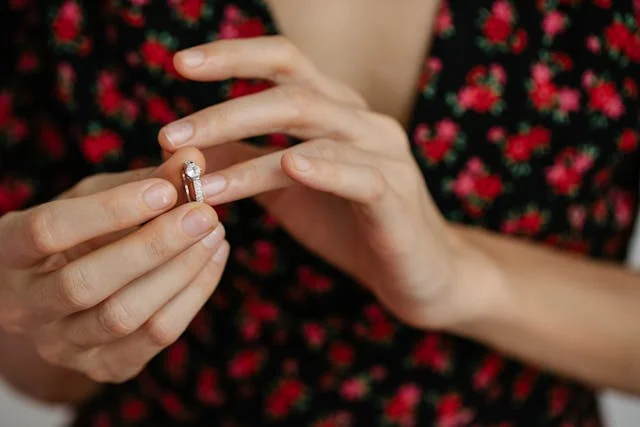
Under UK law, engagement rings are usually considered conditional gifts, meaning they are tied to marriage. If the engagement ends, ownership becomes a grey area depending on who ended the engagement and the intention behind the gift.
If You Inherit a Diamond
Always document:
- Provenance
- Estate validation
- Insurance details
Inheritance disputes commonly involve jewellery because diamonds hold both emotional and monetary value.
If You Found the Diamond
Report it. Keeping found valuables can be considered theft by finding under UK law. It’s not worth the risk.
Step Three: Understand the Ethical Implications
During an interview with Professor Laura Simmons, an expert on ethical mining at the University of Leeds, she emphasised the importance of responsible sourcing:
“A diamond’s beauty means little if its history involves exploitation, conflict, or forced labour. Consumers today must consider traceability.”
What to Look For
- Kimberley Process Certification (for natural mined diamonds)
- Reputable jeweller sourcing disclosures
- Lab-grown stone documentation
Ethics aren’t just about peace of mind—they add to the diamond’s long-term market value as responsible sourcing becomes more prioritised.
Step Four: Decide Its Emotional Meaning
A diamond can be:
- A symbol of love
- An apology
- A family legacy
- A token of appreciation
- Or, occasionally, a burden
Ask Yourself:
- Why was it given to me?
- Does this gift come with expectations?
- Do I want to keep this connection?
I once spoke to a jewellery curator in Edinburgh who said, “Jewellery rarely comes without a story. Make sure it’s one you want to hold.”
Step Five: Decide Whether to Keep, Sell, Insure, or Repurpose It
This is where your options truly expand.
1. Keep It
If the diamond holds sentimental value or commemorates an important moment, keep it—but protect it.
Get It Insured
Jewellery insurance is essential. In the UK, companies like Assetsure and TH March offer specialised cover.
2. Sell It
Selling a diamond can feel uncomfortable, but there’s nothing unethical about choosing practicality.
Where to Sell
- Reputable auction houses (Sotheby’s, Bonhams)
- Certified jewellers
- Diamond resale platforms like Worthy or WP Diamonds
Tip: Never sell without at least 2–3 independent valuations.
3. Repurpose It
A rising trend is turning inherited or gifted diamonds into new designs.
One designer explained that clients often want to “honour the past without repeating it.” A diamond from a previous relationship can become a pendant celebrating independence.
4. Store It Safely
If unsure, secure storage buys you time. Banks and private vault companies offer safe deposit boxes starting from £150 per year.
Real Cases That Show Why This Decision Matters
Case Study 1: The Surprise Heirloom
Sophie, a friend from university, inherited a diamond ring from her grandmother. Unsure of its value, she almost wore it daily. After an appraisal, she discovered it was worth over £32,000. She insured it immediately and now wears a replica instead.
Case Study 2: The Engagement Confusion
James received a diamond ring from his partner during a proposal. When the relationship ended, uncertainty about ownership became a point of legal confusion. A solicitor clarified that because the ring was tied to the engagement, ownership relied on intent. They eventually agreed to return it to avoid dispute.
Case Study 3: The Ethical Dilemma
A colleague once purchased a diamond abroad without certification, later discovering it was linked to unethical mining practices. She returned it and replaced it with a verified ethical lab-grown diamond instead.
Expert Advice: What Professionals Recommend You Do First
Here’s what specialists consistently advise:
Gemologists:
“Authenticate before sentimentalising. A diamond’s identity determines every next step.”
Financial Advisers:
“Treat valuable jewellery as an asset—document, insure, and store it properly.”
Psychologists:
“Reflect before reacting. Gifts of high value can pressure people into emotional decisions.”
Jewellery Designers:
“Never feel bound by the original setting. Stones can live new lives in fresh designs.”
Practical Steps to Follow Immediately (A Quick Guide)
- Get the diamond appraised by a certified gemologist.
- Check legal ownership based on how it was given.
- Review ethical sourcing via documentation.
- Decide emotional intent behind the gift.
- Secure insurance if you plan to keep it.
- Consider your options: keep, sell, or repurpose.
- Store it safely while making decisions.
FAQs
Is it legal to keep a diamond someone gives you?
Generally yes, unless the gift was conditional (e.g., engagement ring) or the diamond was not legally owned by the giver.
How do I know if a diamond is real?
Get an appraisal from a GIA-certified gemologist who can verify authenticity and quality.
Are lab-grown diamonds valuable?
Yes, but they depreciate faster than natural diamonds. They offer ethical benefits and lower cost.
Should I insure a diamond gift?
Absolutely—insurance protects you from loss, theft, or damage.
What if I don’t want the diamond?
You can sell it, repurpose it into another piece, or store it until you’re ready to decide.
Final Thoughts
A diamond may be small, but the decisions surrounding it are anything but. Whether sentimental, symbolic, or purely financial, it’s a gift that deserves thoughtful handling. From authenticity to ethics, legalities to personal meaning, understanding the journey of that stone empowers you to make the best decision for your life.
And now, I’d love to hear from you: What would you do if someone handed you a diamond today? Share your thoughts—your story might help someone else facing the same sparkling dilemma.