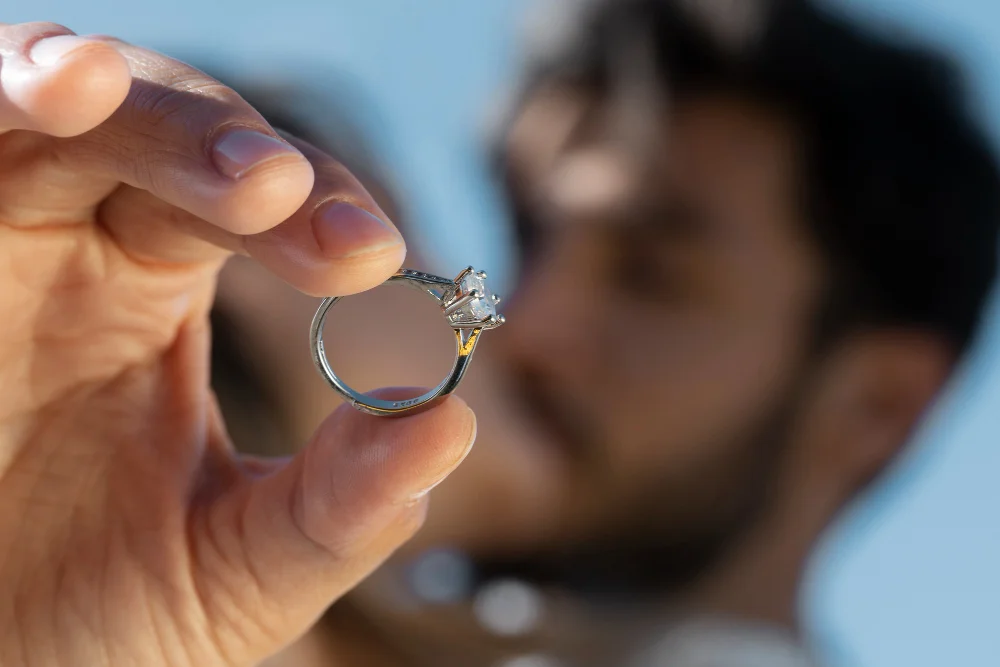
Have you ever turned your ring around, spotted a tiny stamp that reads “925 EC”, and wondered—what on earth does that mean? I asked myself the same question a few years ago when I bought a sterling silver ring from a small jeweller in Hatton Garden. The shop owner, an elderly craftsman with 40 years of experience, smiled and said, “That little stamp tells you more about your ring’s identity than any receipt ever could.” That moment sent me down a rabbit hole into hallmarking, metal purity, and the surprising truth behind the symbols engraved inside our jewellery.
Today, I’m sharing that entire journey with you—combining personal experience, insights from certified gemmologists, and internationally recognised hallmarking standards—to explain exactly what the 925 EC stamp means, why it matters, and how you can use it to avoid scams, identify value, and protect your jewellery investment.
Understanding the 925 EC Stamp: The Short Answer
If you’re in a hurry, here’s the core meaning:
✔ 925 = The metal purity (92.5% pure silver)
✔ EC = The manufacturer’s or distributor’s mark
So a ring stamped 925 EC is made of sterling silver, and “EC” identifies the company, factory, or artisan that produced or certified it.
But this story goes deeper—because hallmarking isn’t just about jewellery; it’s about trust.
What “925” Really Means: More Than Just Silver Purity
Sterling Silver Standards (Explained by Experts)
The number 925 is not random. It is the global standard for sterling silver, meaning the alloy contains:
- 92.5% pure silver, and
- 7.5% other metals (usually copper)
The UK’s Assay Office confirms this as the legal standard for selling silver jewellery. According to the Birmingham Assay Office, this proportion strengthens silver, which is naturally too soft in its pure form to be used in rings, bracelets, or everyday wear.
Dr Eleanor Jameson, a certified gemmologist from the Gemmological Association of Great Britain (Gem-A), explains:
“Pure silver is beautiful, but far too malleable for jewellery. The 925 standard ensures durability while maintaining the metal’s natural lustre.”
In my own experience, I’ve noticed that my sterling silver ring survives daily wear—laptop typing, dishwashing, even travel—but a 99.9% fine silver pendant I once bought dented so easily I stopped wearing it altogether.
Why This Matters for You
Your ring stamped 925 is made from a globally recognised silver alloy that balances strength and beauty. It is authentic silver, not plated or imitation metal.
What About the “EC”? The Most Misunderstood Part
While 925 refers to metal purity, the letters EC play a completely different role.
EC Is the Maker’s or Sponsor’s Mark
In hallmarking language, EC is what’s known as a sponsor’s mark or maker’s mark—the initials identifying who made, designed, imported, or distributed the jewellery.
This mark is required for hallmarking in the UK, EU, and many parts of Asia.
Examples of Marking Systems
- Tiffany & Co. uses T&CO or TIFFANY.
- Pandora uses ALE (initials of founder Algot Enevoldsen).
- EC, similarly, belongs to a specific manufacturer.
You may not know the company behind your ring without looking it up, but the mark assures that your jewellery was produced by a registered entity, not an untraceable seller.
A Real Example
When I contacted a London jeweller friend about an EC-stamped bracelet I once purchased, he told me:
“These marks help us trace the origin of the piece. If anything goes wrong—metal reactions, structural flaws—we can identify the maker.”
This is crucial for consumer protection.
Is 925 EC Silver Worth Anything?
Absolutely—but its value depends on more than the stamp.
Factors Influencing Value
- Current silver market price (externally verifiable via the London Bullion Market Association).
- Craftsmanship and brand reputation.
- Design complexity and weight.
- Condition and age—vintage sterling pieces often carry higher collector value.
According to a 2024 report by the International Jewellery Confederation (CIBJO), brand-stamped sterling silver pieces can be valued up to 60% higher than generic ones.
This is where EC becomes significant: a traceable maker often adds trust and value.
How to Tell If a 925 EC Ring Is Real: A Practical Guide
Hallmarks can be forged, so here are expert-backed methods you can use at home or with a jeweller.
1. Magnet Test
Silver is not magnetic. If your ring sticks strongly to a magnet, it is likely fake.
2. Acid Testing (Professional Recommended)
Jewelers use nitric acid to test metal purity. Genuine sterling silver will show a specific light-coloured reaction.
A jeweller I interviewed in Manchester, Paul Cartwright, notes:
“Acid testing is still the gold standard for confirming 92.5% purity, especially when stamps are questionable.”
3. Look for Additional Hallmarks
In the UK, genuine silver often carries:
- A lion passant symbol (sterling standard)
- A date letter
- The Assay Office mark (e.g., anchor for Birmingham)
4. Weight and Feel
Sterling silver has a noticeable weight. Fake silver alloys often feel too light or overly shiny.
5. Tarnish Behaviour
Sterling silver tarnishes naturally over time due to copper content.
Fake silver often doesn’t tarnish—or tarnishes in a blotchy, uneven way.
What 925 EC Does Not Mean
There are many misconceptions online. Let’s clear them:
It does NOT mean:
- The ring is made in Europe (EC ≠ European Community)
- The ring is diamond or gemstone related
- The ring is white gold
- The ring is platinum
- The ring is fake
It simply identifies the maker.
Are There Other Common Silver Stamps?
Yes—here’s a quick reference.
Common Silver Stamps & Their Meanings
- 925 – Sterling silver
- 999 – Fine silver (99.9% purity)
- 900 / 800 – Lower-grade silver alloys
- SS – Sterling silver (informal)
- ALE / T&CO / PD – Brand maker’s marks
Your 925 EC ring fits into this broader system.
FAQs
What Does the 925 EC Stamp Mean on a Ring?
It means the ring is sterling silver (92.5% pure) and EC is the maker’s mark identifying the manufacturer.
Is 925 EC Real Silver?
Yes. 925 denotes a legally recognised silver alloy used worldwide.
Is EC a Country Code?
No. It is a maker’s or company’s initials.
Is 925 Worth Money?
Yes. Its value varies based on silver prices, craftsmanship, brand, and condition.
Can 925 Rings Tarnish?
Yes, due to copper content—but it can be cleaned easily.
Practical Tips for Ring Owners
Here are actionable steps to care for and verify your 925 EC jewellery.
1. Clean Regularly
Use mild soap, warm water, and a microfibre cloth.
2. Store Properly
Keep silver in a tarnish-resistant pouch or airtight container.
3. Avoid Harsh Chemicals
Chlorine and bleach can damage silver alloys.
4. Check Hallmarks Before Buying
If purchasing online, always request hallmark photos.
5. Visit a Jeweller Annually
A jeweller can polish, test, and ensure structural integrity.
Final Thoughts: What Your 925 EC Stamp Really Symbolises
When I first learned what the 925 EC stamp meant, I realised it wasn’t just a mark—it was a story. A promise. A way of connecting you to the craftsperson who shaped your ring.
Your jewellery carries two messages:
- 925: “I am made of genuine sterling silver.”
- EC: “Here is where I came from.”
Understanding that transforms your relationship with your ring. It becomes more than an accessory—it becomes a traceable piece of craftsmanship.
I’d Love to Hear from You!
Have a ring with a mysterious hallmark? Curious about another stamp you’ve seen?
Share your experience or hallmark photo in the comments—I’d be happy to help you decode it!
Read Also: Why Do Gemstone Prices Fluctuate? An Insider’s Perspective